



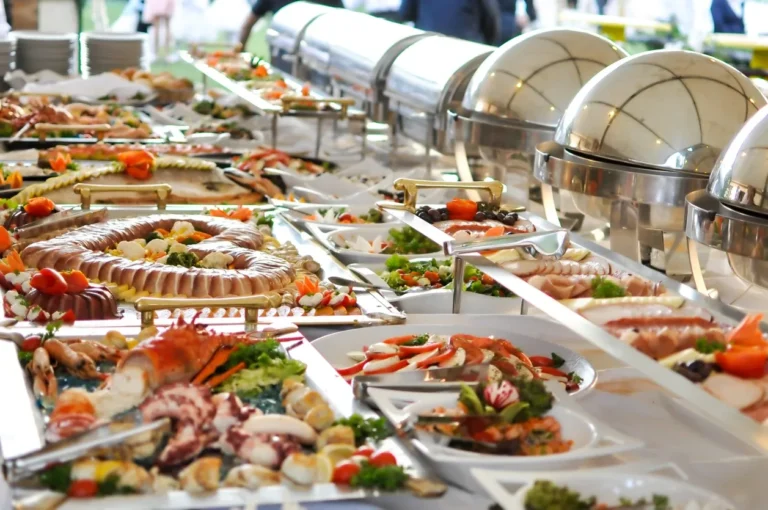
Discover the Secret Behind Streamlined Hospitality Operations
In today’s fast-paced hospitality environment, effective inventory management isn’t just an operational necessity—it’s a strategic advantage. Imagine a system where supplies consistently match demand, waste is minimized, and every asset is accounted for. This isn’t an abstract ideal; many establishments across various regions are turning inventory data into actionable insights that drive sustainability and profitability.
Throughout this guide, you’ll learn how robust inventory practices can reduce shrinkage, optimize stock levels, and contribute directly to improved service quality. We’ll delve into actionable steps, such as:
- Assessing existing inventory processes
- Implementing automated tracking systems
- Applying industry-standard best practices for asset management
By understanding these methods, you can tackle common challenges in managing food, beverage, and facility supplies more effectively. Whether you manage a boutique hotel, a local restaurant, or a large-scale club, mastering these strategies will empower you to create smoother, more responsive operations. Let’s explore how adopting these practices can transform your day-to-day management and enhance guest satisfaction.
Streamlining Your Inventory System Step-by-Step
Developing an efficient inventory system begins with understanding your current process. Start by reviewing your existing procedures to identify gaps impacting accuracy and efficiency. With each successive step, you build a framework that supports smoother operations and minimizes waste.
- Audit Your Inventory: List all items and categorize them based on relevance to daily operations—this can include perishables, supplies, and equipment.
- Standardize Procedures: Create clear protocols for ordering, receiving, and stocking. Define roles so team members know exactly how to manage different categories.
- Leverage Technology: Invest in an inventory management software that aligns with hospitality needs. Automate tracking and receive real-time alerts to streamline daily tasks.
- Train Your Team: Hold hands-on sessions to ensure staff understands system functionalities and procedures, enhancing accountability.
- Evaluate and Adjust: Perform regular reconciliations and analysis. Utilize localized data insights for seasonal trends and regional demand fluctuations, ensuring the system remains adaptive.
Implementing these steps will not only improve operational efficiency but also enhance overall service quality, paving the way for smoother local and regional hospitality operations.
Navigating Common Inventory Challenges in the Hospitality Industry
In high-paced hospitality settings, effective inventory management is crucial for maintaining service quality and profitability. Many establishments face challenges such as stock discrepancies, shrinkage, and inefficient tracking of supplies. Overcoming these hurdles not only improves operational flow but also enhances guest experiences, especially in competitive local markets.
A systematic approach to managing inventory can make a significant difference. Start by investing in reliable tracking systems that offer real-time insights into your supply chain. This not only helps in identifying bottlenecks quickly but also reduces errors and waste. Consider these actionable steps:
- Optimize Reorder Points: Regularly review and adjust par levels to accurately reflect demand.
- Enhance Employee Training: Ensure that staff members fully understand and efficiently use tracking tools.
- Implement Regular Audits: Schedule periodic checks to catch discrepancies early.
By adopting these strategies, hospitality businesses can streamline operations and reduce losses. Whether in busy urban centers or smaller local markets, a clear focus on practical inventory management techniques equips you to tackle common challenges head-on and build a more resilient, efficient operation.
Top 5 Strategies for Reducing Shrinkage in Your Inventory
- Embrace Advanced Tracking Systems
Implement a modern inventory tracking system that logs every transaction. Utilizing barcode scanning or RFID technology ensures each unit is accounted for from procurement to point-of-use, reducing the chance of misplacement or theft. - Reinforce Routine Audits and Inspections
Establish a schedule for regular physical audits alongside digital reconciliations. Consistent checks help quickly pinpoint discrepancies, ensuring inventory records remain accurate and reliable. - Empower Staff Through Targeted Training
Offer hands-on training sessions that emphasize the importance of inventory care and accountability. An informed team is more likely to adhere to best practices, reduce errors, and proactively address suspicious activities. - Leverage Data Analytics for Insight
Integrate analytical tools that monitor consumption patterns and trends over time. These insights help in identifying potential issues early, streamlining operations, and enabling proactive corrective measures. - Strengthen Vendor and Supply Chain Communication
Establish clear protocols and expectations with suppliers. By maintaining open and transparent communication channels, you can better predict delivery schedules and maintain tighter control over inventory levels.
What Defines Effective Hospitality Inventory Management?
Effective inventory management in the hospitality industry means utilizing systems that track stock levels, reduce shrinkage, and streamline purchasing processes. It involves a continuous evaluation process that monitors seasonal demands and operational requirements while balancing cost efficiency with quality service.
How Can Technology Enhance Inventory Control?
Technology such as inventory management software can streamline processes through automation, provide real-time tracking, and offer practical decision-making insights. Standard features include automated reordering, consumption reporting, and integration with financial systems, significantly reducing manual errors.
What Strategies Help Reduce Shrinkage?
To combat shrinkage, it is critical to implement strict controls, regular audits, and adopt best practices for handling perishables and high-cost items. Detailed record-keeping and periodic cycle counts ensure accountability and help detect inefficiencies quickly.
How Do You Forecast and Manage Seasonal Demand?
Utilize historical data analytics and consumption trends to forecast seasonal demands accurately. Regularly update inventory levels based on anticipated peaks, ensuring you’re prepared during local events and busy periods.
What Are Common Challenges in Inventory Management?
Frequent challenges include balancing accurate reporting with varied supplier schedules, avoiding excess stock or shortages, and managing labor resources efficiently. Continuous process improvements and staff training can overcome these obstacles effectively.
Wrapping Up: The Path to Mastery
As we conclude this guide on inventory management, it’s clear that strategic planning and effective systems are the linchpins of success in the hospitality sector. The journey through optimizing inventory practices has provided insights into reducing waste, controlling shrinkage, and making informed purchasing decisions that ultimately safeguard assets. Key takeaways include understanding the entire lifecycle of inventory, leveraging best practices in supply chain management, and embracing actionable steps that align with operational goals.
Consider these next steps:
- Conduct regular audits: This ensures accuracy and transparency in your inventory processes.
- Implement robust control systems: Prevent losses and improve overall accountability.
- Train your team continuously: Keep them updated with industry-relevant best practices.
By integrating these strategies, you not only streamline operations but also position your business to thrive amidst local challenges and evolving market dynamics. Remember, each small adaptation contributes to a broader culture of efficiency and success. Continue to assess, adjust, and drive improvements, as every proactive step brings you closer to operational excellence in hospitality inventory management.
